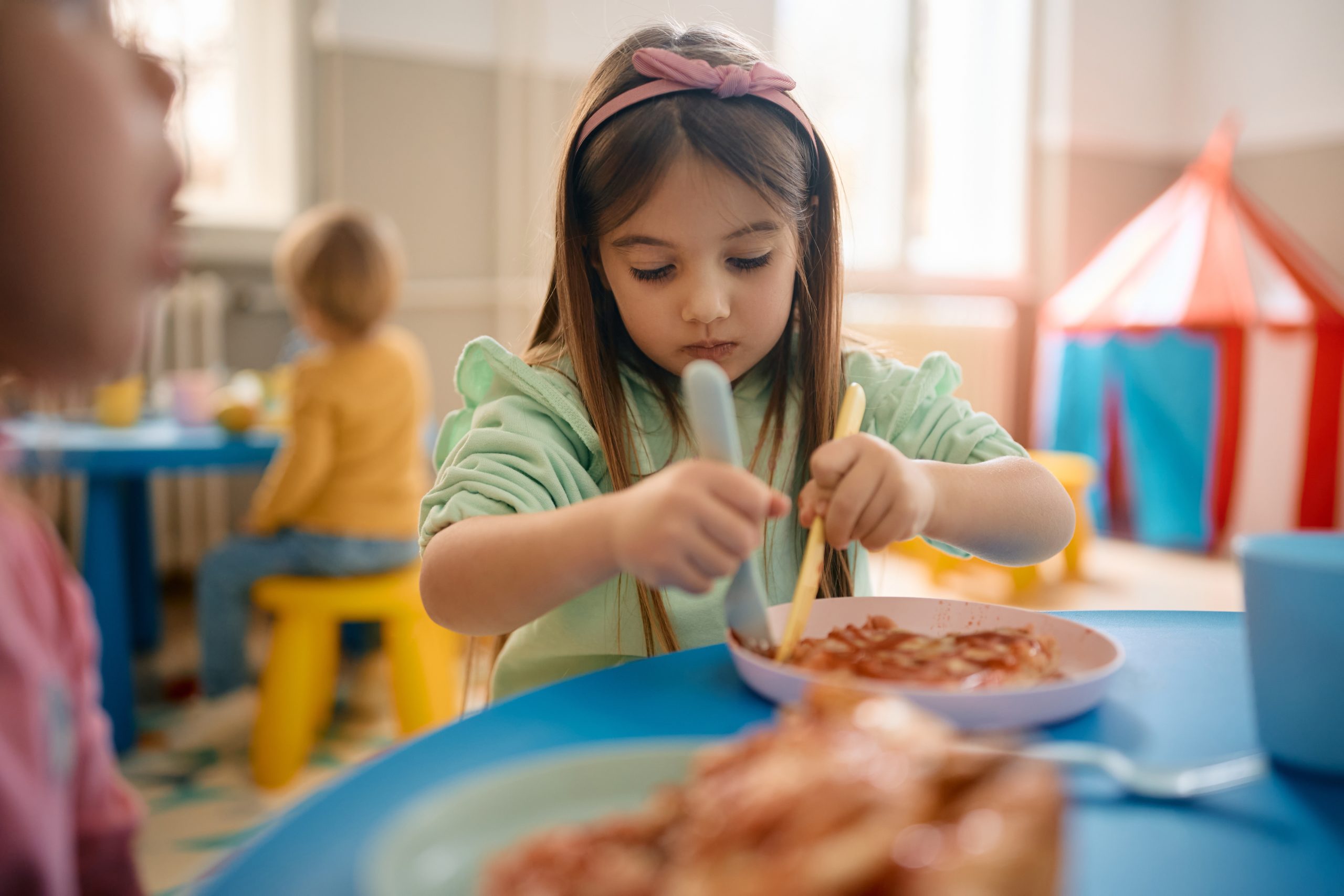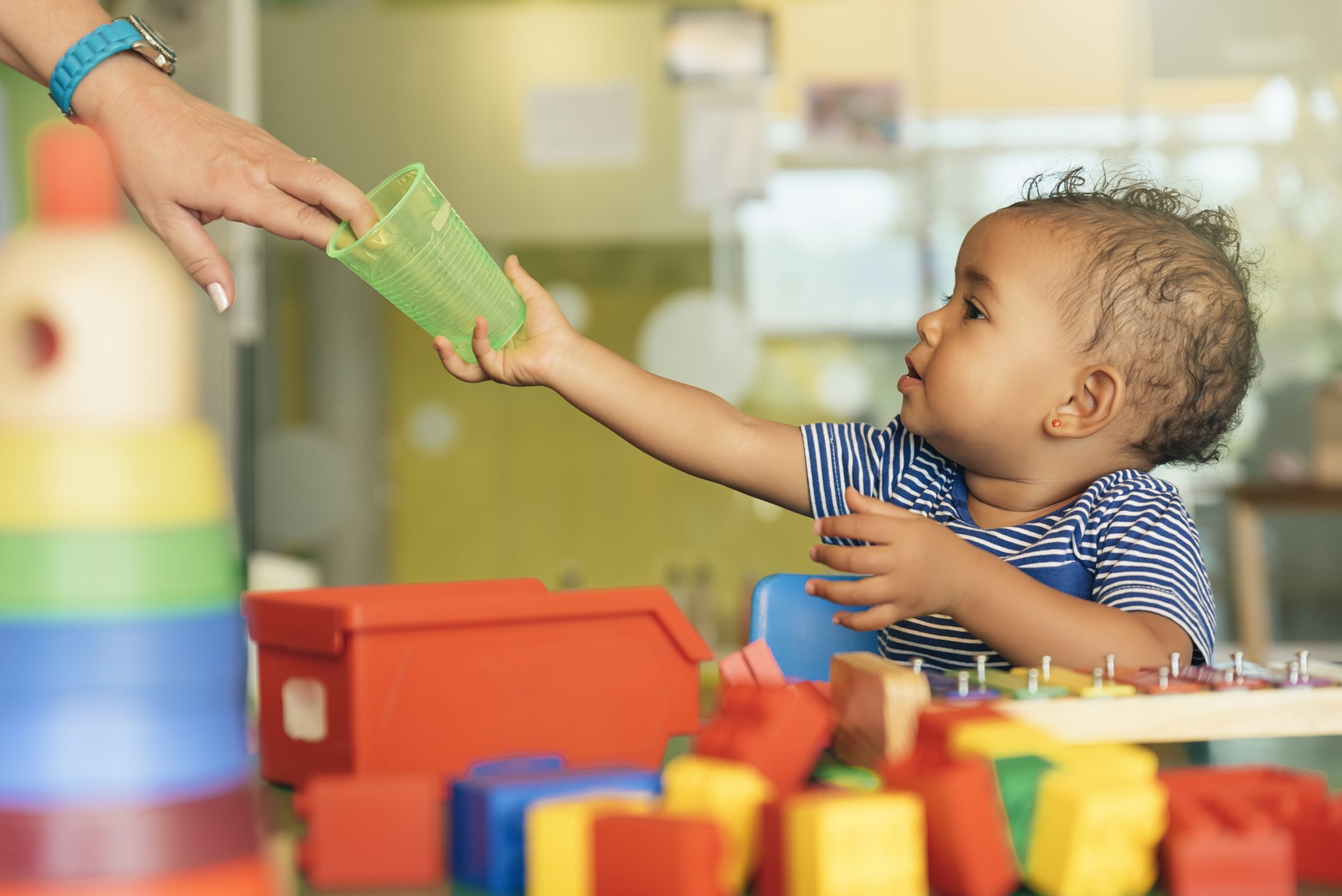
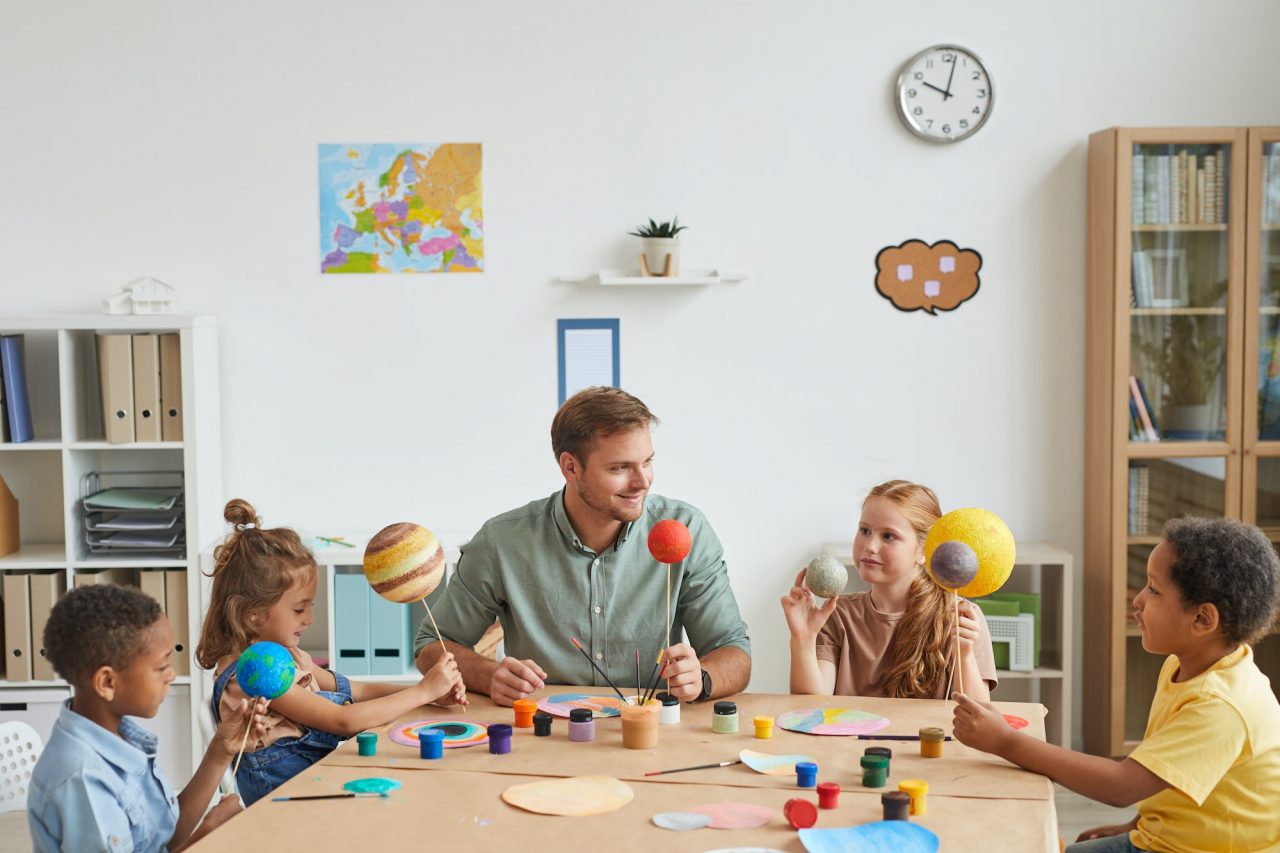
Hands-on learning is one of the most effective ways to support early childhood development. Instead of just listening or watching, children actively participate in activities that help them explore and understand the world around them.
What is Hands-On Learning?
Hands-on learning means children learn by doing. This includes activities like:
- Building with blocks
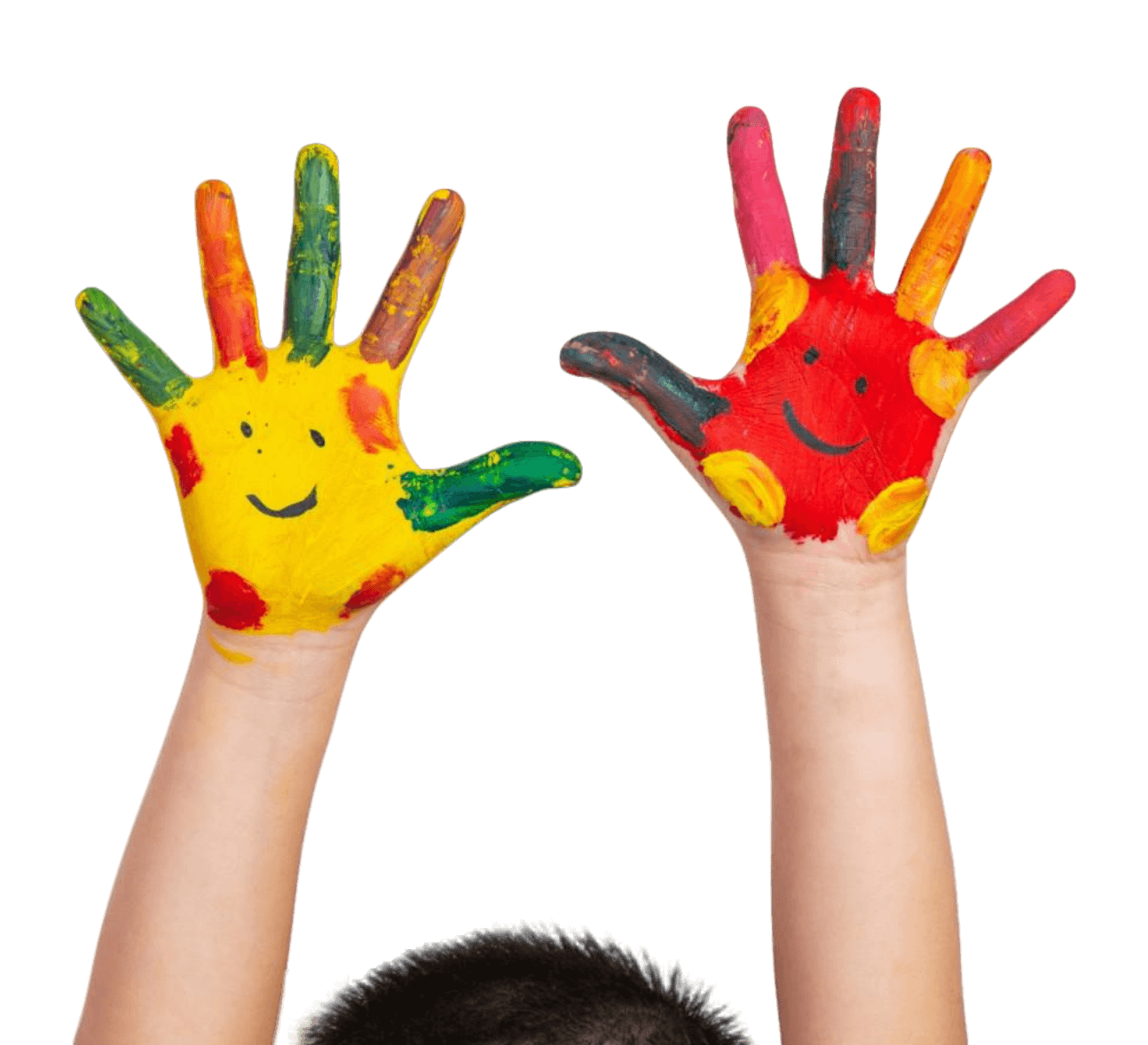
- Drawing and painting
- Playing with puzzles
- Exploring nature
- Simple science experiments
These activities allow children to engage physically and mentally at the same time.
Improves Problem-Solving Skills
When children are involved in hands-on activities, they learn how to think, try, and solve problems.
For example, building a tower teaches:
- Balance
- Planning
- Trial and error
These are important skills they will use later in school and life.
Encourages Creativity
Hands-on learning allows children to express themselves freely. There is no single “right way” to complete an activity.
This builds creativity and imagination, which are essential for innovation and confidence.
Builds Fine and Gross Motor Skills
Activities like cutting paper, stacking blocks, or playing outside help develop motor skills.
- Fine motor skills: writing, drawing, picking small objects
- Gross motor skills: running, jumping, climbing
Both are essential for healthy development.
Supports Social Development
Many hands-on activities are done in groups. This teaches children how to:
- Share
- Communicate
- Work together
These social skills are critical for building friendships and teamwork.
Makes Learning More Enjoyable
Children naturally enjoy learning when it feels like play. Hands-on activities make learning fun, which increases engagement and interest.
When children enjoy learning, they are more likely to stay curious and motivated.
Strengthens Memory and Understanding
Children remember things better when they experience them directly. Instead of just hearing information, they see and do it themselves.
This leads to deeper understanding and long-term memory.
Final Thoughts
Hands-on learning is not just play—it is a powerful way to build important life skills. It supports creativity, confidence, problem-solving, and social development.
Childcare centers that include hands-on activities provide children with a strong foundation for future learning.